

Have you ever wondered why your savings account is making you lose money? In today’s financial landscape, low-interest rates and inflation can significantly affect your savings. Understanding the hidden costs and eroding factors is crucial to make smarter financial decisions. Let’s delve into how these issues impact your savings and explore strategies to maximize your financial growth.
The Hidden Costs of Low-Interest Rates
Low-interest rates might seem appealing initially, but they come with hidden costs that could affect your savings. When interest rates are low, the returns on your savings account are typically lower. This is because banks reduce the interest paid on deposits, directly impacting how much money you can earn from merely keeping your savings in a bank account.
Over time, these reduced earnings can significantly hinder your ability to grow wealth through traditional savings vehicles. Additionally, low interest rates often lead to a phenomenon known as ‘inflationary erosion.’ In such scenarios, consumer prices increase faster than the interest your account earns. Therefore, the real value or purchasing power of your savings diminishes over time.
Furthermore, investors seeking higher returns may turn to riskier assets. This shift can increase personal financial risk, as these alternative investments often carry more volatility and potential for loss. It also pressures the economy, potentially leading to asset bubbles and financial instability.
How Inflation Erodes Your Savings
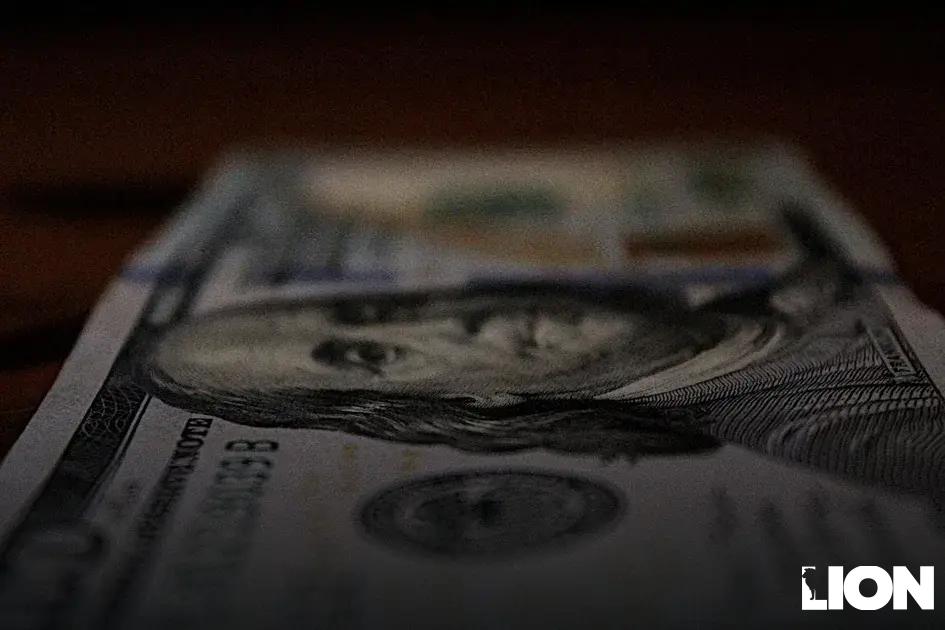
Inflation is an economic phenomenon that reduces the purchasing power of money as the general price level of goods and services rises. This means that, over time, the same amount of money will buy less than it did in the past. When it comes to your savings, inflation can have a significant impact. While your savings may grow nominally due to interest, inflation can erode these gains if the inflation rate is higher than the interest rate paid by your savings account.
Imagine you have $1,000 in a savings account with a 1% annual interest rate. After a year, you would earn $10 in interest, giving you a total of $1,010. However, if the inflation rate is 2%, the real value of your savings has effectively decreased. What you could have bought with $1,000 a year ago will now cost $1,020, thus leading to a loss in purchasing power.
Understanding the impact of inflation on your savings is crucial.
As prices rise
, the real return on your savings can turn negative, meaning your money is essentially losing value over time. This is why simply keeping money in a low-interest savings account may not be enough to preserve, or grow, your wealth. It’s crucial to consider investment opportunities that have the potential to outpace inflation. By doing so, you can help ensure that your savings keep their value, or even grow, over time.

 How To Use Dollar-Cost Averaging Effectively Today
  The Power of Micro-Investing: Start Small, Grow Big Today
  How to Build a Recession-Proof Financial Plan Today